What I Keep in My 5-Minute Speech Kit

When you're doing 5-minute speech, there’s not a lot of room for “extras.” You’ve got maybe five minutes per student, you’re moving fast, and if you’re like me, you’re usually carrying your therapy room on your back (or in a rolling cart).
So after a few years of trial, error, and thinking I needed a branded starter kit to do this “right,” I figured out what I actually use and what just weighs me down.
Here’s a peek inside what I actually carry when I’m doing 5-minute speech, and what’s made the biggest difference in keeping things smooth, efficient, and low-stress.
What I carry it all in
I’ve gone back and forth between a tote, and a fold-out rolling cart, depending on the building, how much walking I’m doing, and how many students I’m seeing in a row. I’ve seen others use three-tier rolling carts, as well!
Tote bags are great when I only need a handful of materials and want to be quick. The rolling cart is the move when I’ve got a longer stretch of students and need everything with me, all day. Either way, I try to pack light and keep it functional.
The therapy items I use over and over
Let’s just get to the good stuff. Here is what’s actually in my bag.
Timer: Non-negotiable. This helps keep me on track and signals when it’s time to wrap up (especially helpful for me, because I will absolutely lose track of time mid-drill).
Scented lip balm reinforcers: This is one of my favorite low-prep rewards for articulation. It’s fast, effective, and way cheaper than a prize box. I talk more about it in this post if you’re curious.
Articulation Station Hive app: My go-to for targeting specific sounds and tracking data all in one place. If I have my iPad, I’m using this.
Speech Tutor Pro app: This one’s for visuals. It helps when a student needs a quick refresh on how the sound should look or feel.
My own articulation visuals: I use these daily. You can find them in my TPT store if you need a no-fuss set to keep in your binder or bag. These are great for cuing, explaining placement, or just giving students a visual anchor during drills.
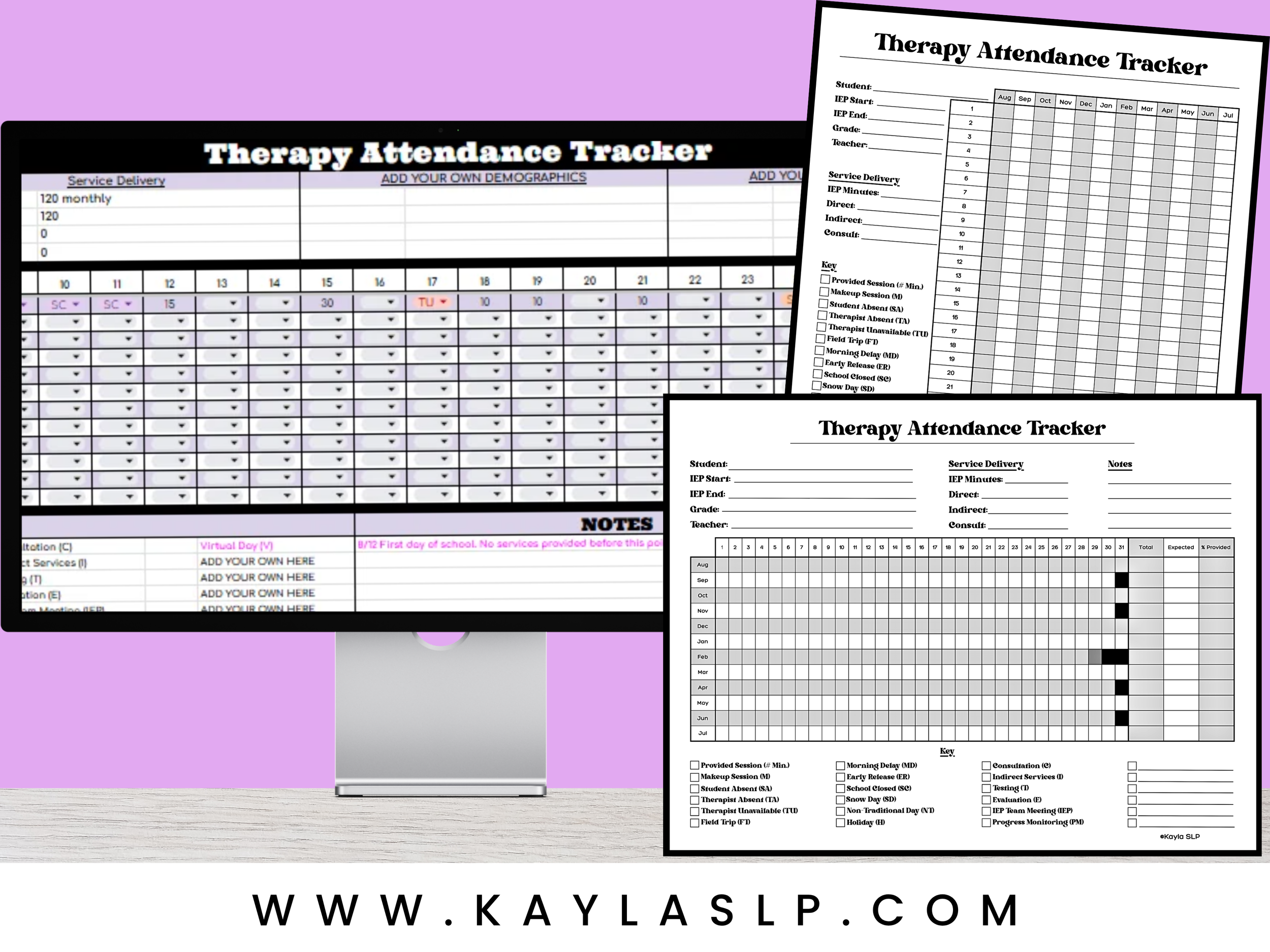
Binder with student info + data sheets: Yes, I use the app, but I also keep paper copies of data sheets and attendance trackers. I’ve learned the hard way that tech sometimes fails, and paper is a great backup.
How I keep track of data
Like I said, Articulation Station Hive is my main tool for collecting data. It’s fast, user-friendly, and lets me pull up sound-specific word lists on the spot.
But I also keep a printed data sheet in my binder for each student, especially if I’m doing quick check-ins or if tech goes down. I don’t use anything fancy here, just simple tracking with date, sound, accuracy, and any quick notes.
What I don’t use anymore
When I first started, I thought I needed a full-on branded 5-minute speech kit, prepped materials, folders, and paper copies of everything.
Turns out, I didn’t use most of it. The structured programs like Speedy Speech® or 5-Minute Kids are helpful as frameworks, but I quickly figured out that I could get the same results with tools I already had.
I stopped trying to fit into someone else’s version of what this model was supposed to look like and just used what worked best for me.
My go-to emergency backups
There are days when the iPad dies or is left at home. When that happens, I pull out:
Word lists from my articulation visuals or card sets
Printed, short sound-loaded reading passages for connected speech and carryover work
No laminating, no cutting, no prep. These live in a pocket of my binder so I can grab them in a pinch.
The point is: keep it simple.
5-minute speech doesn’t work if it takes you 10 minutes to find the materials you need. I’ve found that keeping my kit light, consistent, and flexible is what makes it sustainable, and lets me focus on the therapy, not the setup.
If you're just getting started or trying to streamline your sessions, you don't need to buy a whole new system. Just grab the basics, pack what you use regularly, and ditch the rest. You'll thank yourself by week two!
Love this post?
Pin it for later!
Save this blog post to your favorite Pinterest board so you can come back to it anytime.