10 Fun Outdoor Activities to Boost Communication Skills This Summer
Summer is the perfect time to head outdoors and work on speech and language skills through play. From nature walks to scavenger hunts and beach days, outdoor activities create so many natural opportunities for conversation, social interaction, and vocabulary development. Below are some of my favorite summer outdoor activities for supporting communication skills while keeping students engaged and having fun.
Nature Walks
Nature walks are one of my favorite low-prep ways to target speech and language skills. Students can describe what they see, hear, and feel while exploring outside. I love pointing out plants, bugs, flowers, or animals and encouraging students to ask questions and share observations along the way. Nature walks are also great for introducing new vocabulary and working on descriptive language in a meaningful, hands-on way.
Scavenger Hunts
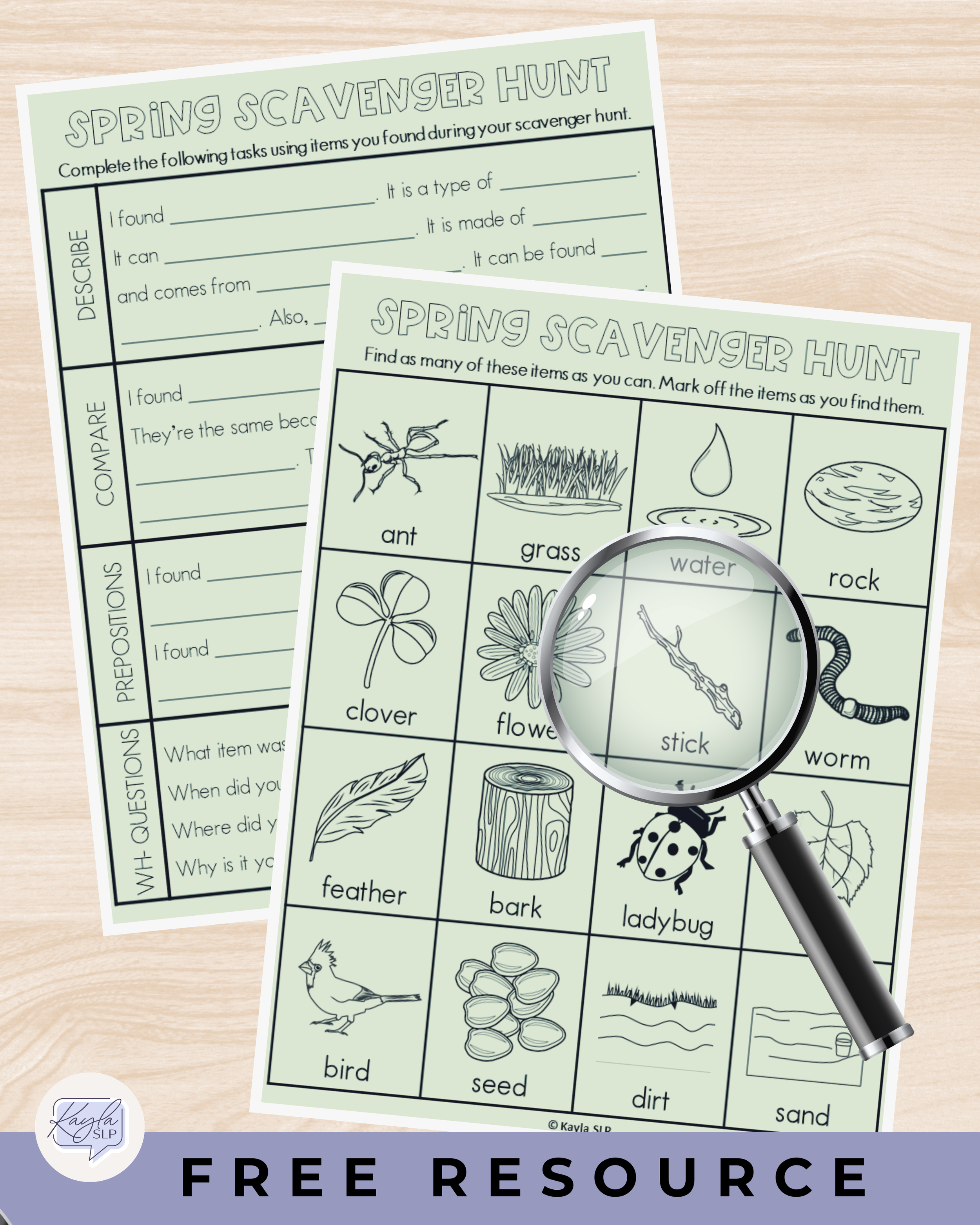
Scavenger hunts are such a fun way to target speech and language skills during outdoor play. Younger students can search for simple items like leaves, flowers, or rocks, while older students can look for specific colors, shapes, textures, or categories. As students search for items, they naturally practice describing, asking questions, following directions, and sharing observations with peers.
Picnics
Picnics are such an easy way to encourage conversation and social interaction. Students can talk about favorite foods, share stories, ask questions, and practice turn-taking during simple picnic games. I also love using activities like charades or collaborative storytelling during outdoor snack breaks because they feel relaxed and natural.
Outdoor Games
Games like tag, hide-and-seek, and hopscotch naturally encourage communication skills. Students are constantly giving directions, negotiating rules, solving problems, and working together while they play. These activities are especially great for targeting social language goals without students even realizing they are practicing communication skills.
Gardening
Gardening is one of my favorite outdoor activities for targeting vocabulary and descriptive language. Students can talk about colors, textures, plant parts, and sequencing steps while planting or watering. Gardening also creates lots of opportunities for asking questions, making observations, and introducing new vocabulary in a meaningful way.
Sports and Physical Activities
Outdoor sports and movement activities are great for working on teamwork, following directions, and problem-solving. When students are kicking a soccer ball or riding bikes, they are naturally communicating with peers throughout the activity.
Outdoor Art Projects
Outdoor art activities are a simple way to encourage expressive language and conversation. Sidewalk chalk, paint, and nature-based art projects all create opportunities for students to describe their creations, explain ideas, and share their thoughts with others.
Camping and Hiking Activities
Camping trips and hiking adventures are full of opportunities for language development. Students can describe what they see, ask questions about nature, tell stories, and work together during outdoor activities. These experiences also introduce tons of vocabulary in a natural, engaging way.
Beach Days
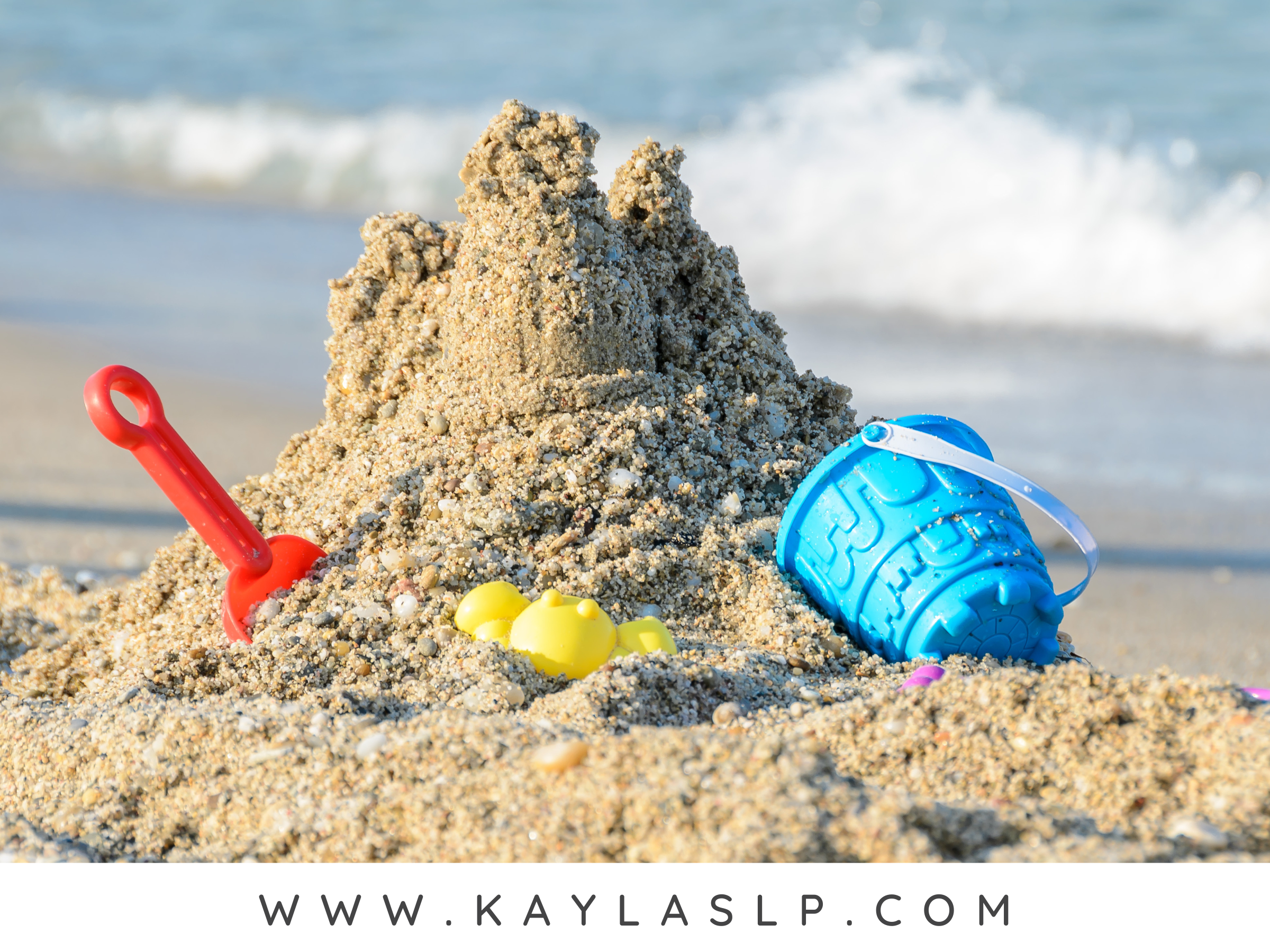
Beach days are full of opportunities to target speech and language skills. Students can collect seashells, build sandcastles, play beach games, and explore the sensory-rich environment around them. These activities naturally encourage students to describe what they see, ask questions, share observations, and engage in conversation with peers. I also love beach-themed activities for working on social skills because students are often collaborating, problem-solving, and interacting together throughout play.
Outdoor activities are such an easy way to support speech and language goals while keeping students engaged. Many of these activities are low prep, inexpensive, and easy to adapt for different ages and skill levels. Sometimes simply taking an activity outside can make a huge difference in participation and motivation during sessions.
